


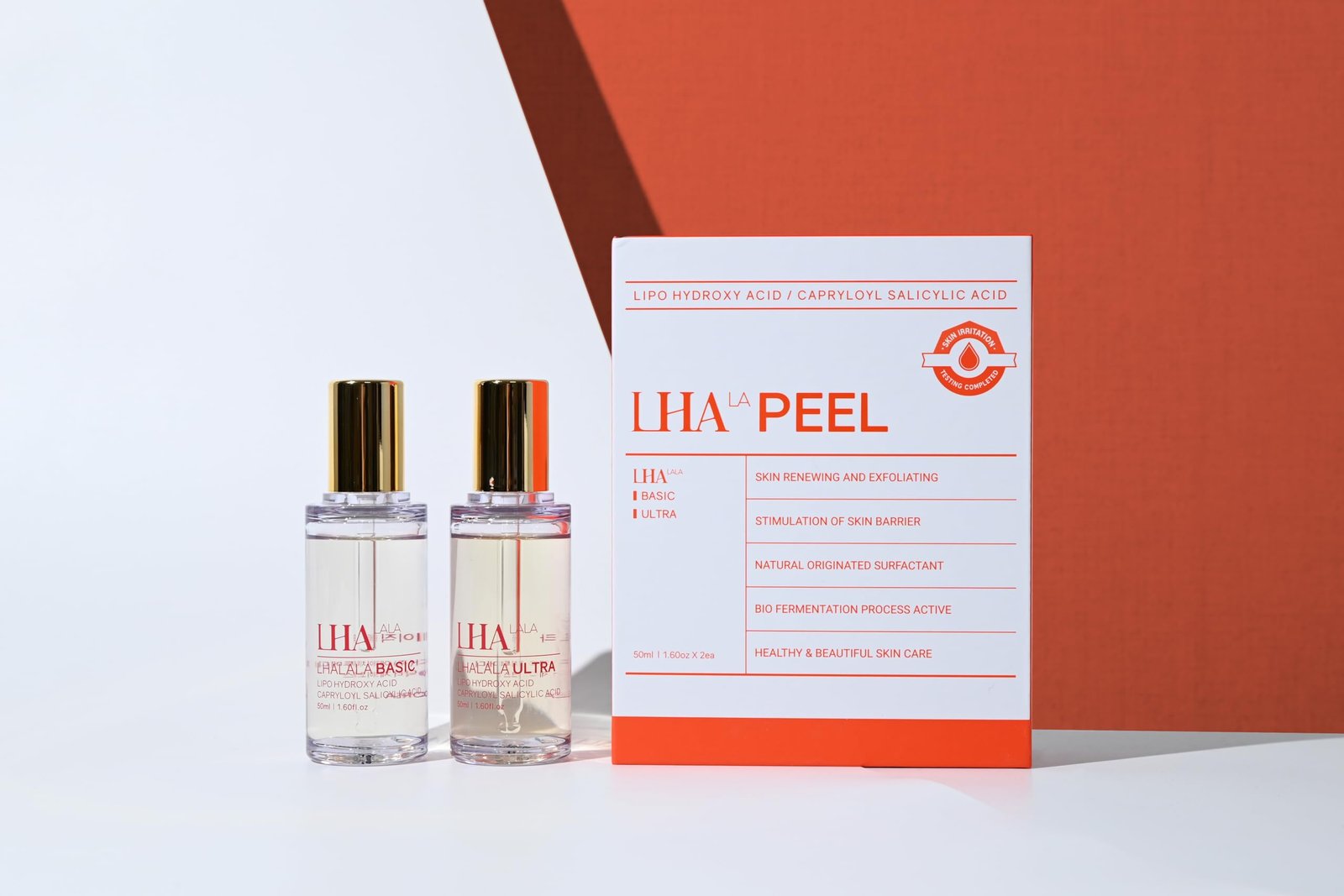
A rough, crowded surface can make skin feel difficult to manage. Congestion may appear as tiny bumps, blackheads or areas that seem smooth one week and blocked the next. Strong scrubs can make matters worse, especially when the skin is already reactive. A gentler plan starts by asking why dead cells and oil are collecting, then choosing a treatment that respects the skin barrier rather than treating texture as a problem to attack.
An LHA peel is often discussed for congestion-prone skin because it works at the surface and around oily areas without relying on aggressive physical rubbing. LHA is related to salicylic acid, but treatment strength, formulation and application still matter. A qualified practitioner should assess current products, sensitivity, active breakouts and any history of irritation before recommending a peel. The same treatment may suit one person and be unsuitable for another.
Preparation can shape the experience. In the days before an appointment, a practitioner may advise simplifying the routine and pausing selected exfoliating products. That guidance should be personalised, not copied from a general checklist. Skin that has been sunburnt, picked, recently waxed or affected by an active rash may need time to settle. Arriving with calm skin gives the practitioner a clearer view of baseline redness and texture.
During treatment, the aim is controlled renewal rather than a dramatic reaction. The product is applied for a set period and monitored closely. Mild warmth or tingling may occur, but severe burning should never be treated as proof that a peel is working. A professional should explain what sensations are expected, what would prompt removal and how the skin will be supported afterwards. Clear communication is part of safe care.
The days after an LHA peel are usually about restraint. A bland cleanser, suitable moisturiser and broad-spectrum sun protection may be recommended while the surface settles. Picking flakes or adding extra acids can interrupt recovery and increase irritation. Some people notice temporary dryness, tightness or redness. Others experience little visible peeling at all. A lack of obvious shedding does not automatically mean the appointment achieved nothing.
Results should be judged over time. One session may leave the skin feeling fresher, but recurring congestion often reflects several influences, including oil production, product choice, friction, hormones and the tendency to touch or squeeze. A practitioner may suggest a series of treatments or a revised home routine, yet promises of permanently clear pores should raise caution. Skin changes, and maintenance plans need room to change with it.
It also helps to separate congestion from acne that needs medical assessment. Painful nodules, spreading inflammation, scarring or a sudden change in the skin deserve more than cosmetic trial and error. A responsible clinic should recognise when to pause treatment and recommend a GP or dermatologist. Peels can sit within a broader plan, but they should not delay appropriate care.
A sensible review also looks at everyday causes of friction. Tight hats, heavy hair products, occlusive make-up and repeated contact with phones or pillowcases can contribute to blocked areas for some people. Changing these habits will not solve every case, but it can stop a treatment plan from working against the same triggers. Keeping a brief record of products and flare patterns may help identify what deserves attention.
Photos taken in the same lighting can help track gradual change without relying on memory. Review should focus on comfort and overall texture, not microscopic inspection of every pore.For the right candidate, an LHA peel can offer a measured route towards a more even-looking surface. Its value lies less in dramatic peeling than in a considered process: careful assessment, conservative application and sensible aftercare. People comparing options should ask who will perform the treatment, how suitability is decided, what risks are discussed and what support is available if the skin reacts unexpectedly. Those answers matter more than before-and-after images. That gives the review a fairer reference point.
