


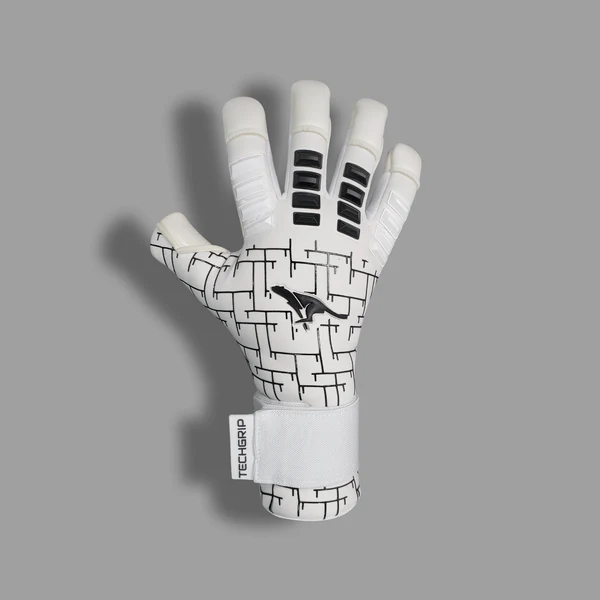
When it comes to dominating the field as a goalkeeper, your gloves are more than just gear they’re your first line of defense. Whether you’re a beginner or a seasoned shot-stopper, choosing the best goalkeeper gloves can dramatically improve your grip, control, and confidence during every match.
In this guide, we’ll break down what makes the goalkeeper best gloves, how to choose the right pair, and why investing in quality gloves can elevate your performance.
Why Choosing the Best Goalkeeper Gloves Matters
Goalkeeper gloves are specifically designed to help you catch, block, and control the ball under all conditions. The right pair provides:
- Superior grip in dry and wet weather
- Shock absorption to reduce impact from powerful shots
- Durability for long-term use
- Comfort and fit for better hand movement
Without high-quality gloves, even experienced goalkeepers can struggle with consistency.
Key Features of the Best Goalkeeper Gloves
When searching for the goalkeeper best gloves, you should focus on these essential features:
- Grip Technology
Grip is the most important factor. Premium gloves use high-quality latex palms that offer excellent ball control.
- Soft latex: Best for grip but wears faster
- Durable latex: Slightly less grip but lasts longer
For competitive matches, go for maximum grip latex.
- Glove Cut (Fit and Feel)
The cut determines how the gloves fit your hands:
- Flat Cut – Traditional fit with more room
- Roll Finger – Latex wraps around fingers for better grip
- Negative Cut – Snug fit for better control
- Hybrid Cut – Combines multiple styles
The best goalkeeper gloves often feature hybrid or negative cuts for a modern, secure fit.
- Wrist Support and Closure
A strong wrist strap keeps your gloves secure during dives and saves.
Look for:
- Adjustable straps
- Elastic wristbands
- Double wrap systems for added stability
- Durability
Training and match gloves differ in durability. If you train frequently, consider a pair designed for long-lasting performance.
- Weather Performance
Some gloves are optimized for specific conditions:
- All-weather gloves for versatility
- Wet-weather gloves for rainy matches
- Dry-grip gloves for maximum stickiness
How to Choose the Goalkeeper Best Gloves for Your Needs
Not all gloves are created equal. Here’s how to pick the right pair based on your playing style:
For Beginners
- Look for affordable gloves with good durability
- Prioritize comfort and basic grip
For Intermediate Players
- Choose gloves with better latex for improved grip
- Consider hybrid cuts for better control
For Advanced Goalkeepers
- Go for professional-grade gloves
- Focus on maximum grip and precision fit
Training vs Match Gloves
Many goalkeepers use separate gloves for training and matches:
- Training gloves: More durable, slightly less grip
- Match gloves: Premium grip, lighter feel
If you’re serious about improving, this approach helps extend the life of your gloves while maintaining top performance on game day.
Tips to Maintain Your Goalkeeper Gloves
Even the best goalkeeper gloves need proper care to stay effective:
- Wash after use to remove dirt and sweat
- Air dry naturally (avoid direct heat)
- Store in a cool place
- Keep palms slightly damp for better grip during matches
Proper maintenance can significantly extend the lifespan of your gloves.
Why Quality Gloves Make a Difference
The difference between average and goalkeeper best gloves becomes obvious during crucial moments:
- Better grip leads to more secure catches
- Improved control reduces rebounds
- Enhanced comfort boosts confidence
When you trust your gloves, you can focus entirely on your performance.
Final Thoughts
Finding the best goalkeeper glovesisn’t just about brand or price it’s about choosing the right combination of grip, fit, and durability for your playing style.
Whether you’re training hard or preparing for your next big match, investing in the goalkeeper best gloves will help you perform at your highest level and protect your goal with confidence.
