


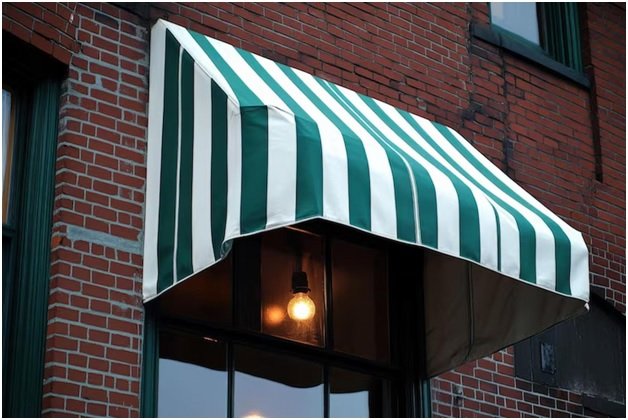
Outdoor spaces can offer more than just fresh air. With the right canopy, they become comfortable, inviting, and visually refined. A Dutch canopy adds structure, shade, and protection while enhancing the character of your exterior, making everyday outdoor moments more enjoyable in every season.
A Thoughtful Addition to Modern Outdoor Living
Outdoor areas are no longer treated as leftover spaces. They are extensions of the home, used for relaxing, dining, and entertaining. A Dutch Canopy fits naturally into this shift, offering shelter without overpowering the building’s appearance. Its compact design provides shade and weather protection while keeping windows and doors accessible.
This canopy style is especially valued in British homes where weather changes quickly. It allows light and airflow while reducing glare, heat, and rain exposure. The result is a more usable outdoor setting that feels balanced and intentional rather than temporary.
Why This Canopy Style Stands Apart
The appeal of a Dutch Canopy lies in its simplicity and purpose-driven design. Unlike full retractable systems, it offers fixed protection with a neat profile. This makes it suitable for both traditional properties and modern buildings.
Dutch Canopy
Its curved or angled structure directs rain away from openings while blocking strong sunlight. Because it does not extend too far, it avoids overwhelming the façade. Homeowners appreciate this balance between function and subtle design.
Everyday Uses That Add Practical Value
These canopies work well in many everyday situations. A Dutch Canopy is often installed above windows, doors, and shopfronts, yet its role extends far beyond basic shelter.
In homes, a Dutch Canopy helps regulate indoor temperatures by reducing direct sunlight. This keeps rooms cooler during warmer months and protects furniture from fading. In commercial settings, it creates welcoming entrances while offering light branding opportunities through fabric colour and trim.
Comfort Without Complexity
One of the strongest advantages of this canopy type is ease of use. There are no moving parts that require regular adjustment. Once installed, it performs consistently throughout the year.
Key practical benefits include:
- Protection from light rain and harsh sun
- Reduced glare through windows
- Improved comfort near doors and seating areas
- A tidy, fixed appearance that suits small spaces
Because the structure is compact, it also works well where space is limited, such as terraced homes or narrow pavements.
A Design Feature, Not Just a Cover
At the centre of its appeal is how a Dutch Canopy blends style with purpose. Fabric choices range from neutral tones to bold colours, allowing homeowners to match or contrast with existing décor. Frame finishes can be selected to complement windows, brickwork, or external fittings.
This flexibility means the canopy becomes part of the building’s design rather than an afterthought. When chosen carefully, it enhances kerb appeal and adds a sense of finish to the exterior.
Weather Performance in Real Conditions
British weather demands reliable solutions. This canopy style performs well in mixed conditions, offering shade on bright days and shelter during sudden showers. Its shape encourages water runoff, preventing pooling and fabric strain.
Quality materials also play a role. Durable fabrics resist fading and moisture, while sturdy frames provide long-term stability. With proper installation, the canopy remains dependable through changing seasons.
Suitable for Homes and Businesses Alike
While popular in residential settings, these canopies are equally effective for shops, cafés, and offices. They create inviting entrances and help define outdoor areas without major structural changes.
For businesses, they also support visibility and branding while improving customer comfort. For homeowners, they offer privacy and protection without blocking views or natural light.
Making the Right Choice for Your Space
Choosing the right canopy involves more than picking a colour. Size, projection, and placement all affect performance. A canopy should provide coverage without interfering with doors, windows, or walkways.
Professional advice helps ensure the structure suits the building and local conditions. When properly selected, the canopy becomes a long-term improvement rather than a short-term fix.
Conclusion: A Practical Style Investment
A Dutch Canopy is a smart choice for anyone looking to improve outdoor comfort without adding visual clutter. Its compact form, reliable weather protection, and adaptable design make it suitable for a wide range of properties. Rather than dominating a space, it works quietly in the background, enhancing how outdoor areas are used day to day.
From reducing indoor heat to creating sheltered entrances, its benefits are practical and immediate. At the same time, thoughtful fabric and frame choices allow it to complement both classic and modern architecture. For homeowners and businesses alike, this canopy style offers a balanced solution that combines durability, simplicity, and understated style. When chosen and installed correctly, it becomes a lasting feature that improves both comfort and appearance throughout the year.
