


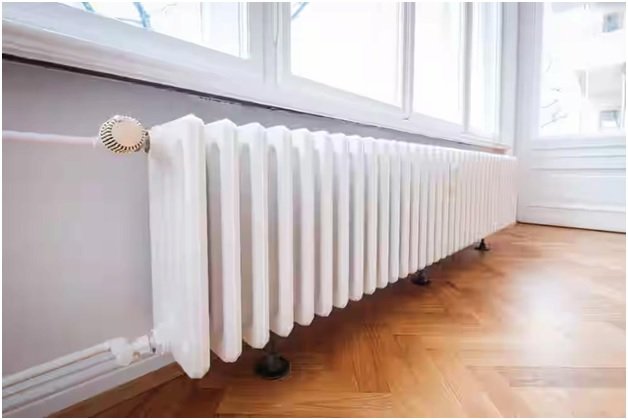
Hallways are often the coldest part of a home, yet they shape how warmth travels from room to room. The right heating choice can transform these narrow spaces into effective heat pathways. Understanding how hallway radiators work helps improve comfort, balance temperatures, and support efficient heating across the whole property.
Hallways are often treated as secondary spaces in heating design, yet they sit at the very heart of your home’s temperature control. As the main routes connecting living rooms, kitchens, and bedrooms, they directly affect how warmth spreads and settles throughout the property. When hallway radiators are missing or undersized, a cold corridor can interrupt natural heat movement, create noticeable temperature drops between rooms, and force the heating system to work harder. Giving this central space the attention it deserves — with the right size and style of radiator — can significantly improve heat distribution, energy efficiency, and overall comfort across the entire home.
Why Hallways Influence Overall Home Temperature
Hallways sit at the centre of most homes, linking rooms, floors, and living zones. Despite this, they are frequently treated as secondary spaces when heating systems are planned. This oversight can disrupt heat movement across the property. Cold hallways pull warmth from nearby rooms, creating uneven temperatures and forcing heating systems to compensate.
Installing hallway radiators helps correct this imbalance. By maintaining a stable temperature in these transitional areas, heat can move more evenly throughout the home. Warm air no longer rushes toward colder zones, and adjacent rooms retain their heat for longer periods. This improves comfort without increasing heating demand.
How Heat Moves Through Narrow Spaces
Heat naturally travels from warm areas to cooler ones. In homes with long or narrow corridors, an unheated hallway becomes a thermal gap. Warm air escapes from surrounding rooms into the corridor, where it quickly cools and dissipates. This cycle repeats, reducing efficiency and comfort.
Hallway radiators interrupt this process. By gently warming the corridor, they reduce temperature differences between spaces. This stabilisation encourages smoother airflow and limits unnecessary heat loss. Instead of acting as cold channels, hallways become neutral pathways that support balanced heat circulation.
The Design Advantage of Hallway Radiators
Radiators designed for hallways prioritise efficiency within limited space. Narrow profiles and compact depths allow them to deliver heat without obstructing movement. Many designs focus on maximising surface area while keeping projections minimal, which is essential in high-traffic areas.
Choosing the correct hallway radiators ensures heat output matches the space without overwhelming it. These radiators provide consistent warmth rather than intense bursts of heat, which suits the functional role of hallways. The result is steady performance that complements the wider heating system.
Placement and Orientation for Effective Heat Flow
Where a radiator is installed has a direct impact on how heat spreads. In hallways, positioning is often dictated by wall length and clearance, but thoughtful placement improves performance. Radiators installed along colder walls help counter heat loss and prevent cool air from travelling further into the home.
Orientation also matters. Vertical and slim horizontal formats each influence airflow differently, but both can work effectively when matched to corridor proportions. Correct placement allows warm air to rise and circulate naturally without being blocked by furniture or architectural features.
Heat Output Without Overheating
Hallways do not require the same heat levels as living rooms or bedrooms. Their purpose is to maintain thermal continuity rather than serve as primary heating zones. Oversized radiators can disrupt this balance, while undersized units fail to support heat flow.
Well-sized hallway radiators deliver controlled output that maintains comfort without excessive energy use. This balance supports smoother boiler operation and reduces frequent system adjustments. Over time, this consistency improves overall efficiency and reduces unnecessary strain on heating components.
Supporting Energy-Efficient Heating Systems
Modern heating systems often operate at lower temperatures to improve efficiency. Hallways benefit from radiators that perform reliably under these conditions. Consistent warmth in circulation areas helps low-temperature systems distribute heat more evenly across the home.
By supporting heat flow rather than demanding high output, hallway radiators align well with energy-efficient heating strategies. They contribute to steady system performance and help maintain comfort without raising energy consumption.
Visual Simplicity and Practical Function
Hallways are highly visible spaces, yet they are often narrow and uncluttered. Radiators installed here must balance appearance with practicality. Slim, understated designs allow the radiator to blend into the space while performing its role quietly and effectively.
A radiator that fits visually is more likely to be installed at the correct height and position. This practical alignment improves airflow and heat distribution, reinforcing both performance and aesthetics without drawing unnecessary attention.
Integrating Hallway Radiators Into Existing Systems
Adding a radiator to a hallway does not need to disrupt the wider heating setup. When installed correctly, it becomes part of the system’s natural flow. Balanced controls ensure heat is shared evenly rather than diverted excessively.
Proper integration allows hallway radiators to enhance overall performance rather than compete with other rooms. This coordination strengthens system stability and improves temperature consistency across the property.
Long-Term Comfort and System Balance
The benefits of heating hallways extend beyond immediate warmth. Stable temperatures reduce draughts, improve comfort between rooms, and create a more predictable indoor environment. These improvements are subtle but noticeable over time.
By addressing heat flow at its centre, hallway radiators help homes feel warmer without increasing heating intensity. This balance supports long-term efficiency, comfort, and system reliability.
Frequently Asked Questions
Do hallway radiators actually improve heating in other rooms?
Yes. Hallway radiators help stabilise temperatures between rooms by reducing heat loss through colder circulation spaces. When hallways are warmed properly, less heat escapes from adjacent rooms, allowing the heating system to maintain more consistent temperatures throughout the home without increasing output.
What size radiator is suitable for a narrow hallway?
The correct size depends on hallway length, ceiling height, and insulation levels. Hallways typically require lower output than living areas, but the radiator must still be capable of maintaining steady background warmth to support heat flow rather than acting as a cold zone.
Are vertical radiators better than horizontal ones for hallways?
Vertical radiators are often preferred in hallways because they use wall height rather than width, preserving walkway space. However, slim horizontal radiators can also perform effectively when wall length allows. The best option depends on available space and airflow patterns.
Can hallway radiators work efficiently with modern low-temperature systems?
Yes. Hallway radiators are well suited to low-temperature heating systems because they focus on consistent warmth rather than high peak output. This supports smoother heat circulation and helps modern systems operate efficiently across connected rooms.
Is it necessary to heat hallways if doors are usually kept open?
Yes. Open doors increase heat transfer between spaces, making hallway temperature even more important. Without adequate heating, hallways can draw warmth away from rooms, reducing comfort. A properly heated hallway helps maintain balance across the entire home.
Conclusion
Hallways play a critical role in how heat moves through a home, even though they are often overlooked in heating design. Installing correctly sized and positioned hallway radiators transforms these narrow spaces into active contributors to heat flow rather than sources of heat loss. By reducing temperature gaps between rooms, supporting efficient airflow, and maintaining steady warmth, hallway radiators improve comfort across the entire property. Over time, this balanced approach helps heating systems operate more smoothly, improves energy efficiency, and creates a more consistent indoor environment. Thoughtful hallway heating is not about adding excess warmth, but about guiding heat intelligently through the spaces that connect the home.
