


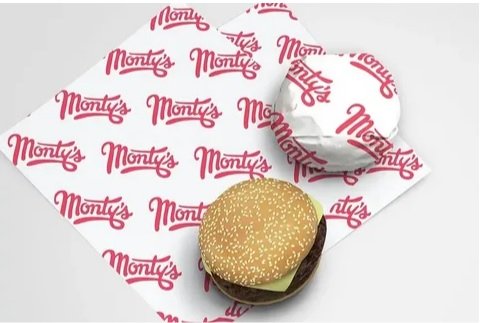
Custom deli paper assists food companies in wrapping hot sandwiches and fresh burgers and deters mess on customers’ hands. Meat is dried in small cafes or huge diners using grease-resistant sheets to wrap meat or lined with the sheets wrapped in plastic baskets.
Bread is kept soft and does not have leaks of melted cheese during the delivery of meals every day; it is covered with clean wrapping sheets. All food stores use a good paper layer in order to keep hot desserts safe and counters neat. Food wraps serve to wrap up delicious sandwiches and create brand style on main avenues in the cities. Printed sheets transform ordinary meals into special treats for customers with no extra labor.
Paper Wrap Choices
Food stores select thick sheets of custom deli papers wholesale to wrap hot sandwiches and heavy burgers without tearing or seepage of fat. Hot oil on the wooden tables is prevented by clean pieces of paper, and even food presentation can be clean to ensure that no diner is left behind. Most cafes use natural unbleached brown paper in order to display organic meal options to their guests. Bright logos and clear product labels on white bleached pieces of paper are characteristic of modern fast food restaurants.
Food paper is made smooth to ensure that slices of bread do not stick to the melted cheese or warm meat sauces when the food joints are busy during lunchtime. Paper suppliers design wrap sheets in numerous custom sizes to suit long under sandwiches or small sliders to the exact size. Hot meals can easily remain hot due to good paper selection as customers stroll back to the local offices or dining table.
Grease Leak Defense
Labels on food sheets, which are specially treated with wax, are used to repel oils and liquid grease when a customer makes the longest journey with the item. Fried chicken pieces and loaded cheese fries remain crisp, and paper liners neatly absorb surplus surface oil. The personnel at restaurants stuff plastic baskets with greaseproof thick sheets to reduce dishwashing effort per day.
Tabletops can remain clean with food enthusiasts having greasy burgers or butter-toasted foods; paper layers ensure that hands are clean and dry to allow people to eat comfortably without having to bring along extra cloth napkins. Impregnable barriers prevent grease, clot, and liquid sauce from soaking into carryout bags throughout food delivery rounds around town. Quality of food is maintained since heat confinement is not able to run away through porous paper surfaces without making fried crusts damp.
Custom Brand Prints
The logo designs printed on food wrap sheets transform a simple lunch order into moving advertisements for local restaurants. Whenever their customers unpack hot sandwiches or crispy appetizers at home, they observe the bright brand color. Individual art creates awareness since individuals walk around carrying branded food items in offices or highly populated parks. Water-based inks produce harmless food-contact surfaces and present legible store names and social media labels.
Beyond bright colours used in wrapping meals, the meals look good in photography posted by satisfied food lovers. The exclusive pattern design your boxes make small burger restaurants stand out from the huge chain fast food restaurants that run within the same states. The use of custom wrapping sheets to create a sense of professional presentation, which makes each meal look like a priced gift, will create customer loyalty.
Eco-Friendly Options
The contemporary food paper manufacturers are making wrapping sheets out of renewable wood pulp found on tree farms that are managed in a sustainable fashion. Biodegradable food wraps break down in municipal compost dumps without having toxic chemical runoff into local soil. Plant-based wax finishes are used to emulate traditional petroleum products and make fully compostable grease barriers in eco-friendly cafes.
By using natural paper wraps, the rate of plastic waste build-up in the community landfills and waters will be reduced. When purchasing lunch in food stores with environmental consciousness in the community, customers feel that the company is making an effort to save the environment. The paper production lines are sustainable because they consume less water and electricity than the single-use plastic production lines. Eco paper wraps have the same grease resistance but support green initiatives within the whole food service industry.
Easy Storage Uses
The flat paper wrap can be stored together in small boxes so that you can save a lot of kitchen space in small food stalls. Ready-cut sheet sizes enable kitchen employees to take the wrap papers at once when orders are at their peak. Food wraps are easily accessible in clean and dust-free, organized paper dispensers close to sandwich preparation tables and frying areas. Thin paper bundles do not cost much to ship and occupy less space in restaurants’ supply storage closets.
The kitcheners take fast wrap jobs and no time is wasted cutting long pieces of paper manually. Accessibility of the sheets accelerates the lines of preparing food to ensure that hungry people get their meal prepared warmly without wasting a lot of time on the lines. The small-space packaging storage enables small food trucks to achieve the maximum usage of the limited space without compromising food safety standards.
Budget-Friendly Wrap
The paper wraps are considerably cheaper per unit than the plastic clamshell or large cardboard meal boxes. Food sheets reduce the total cost of operation by packaging standard sandwiches and burgers in lightweight paper sheets. The reduction in freight expenses through lower shipping weight saves expenses incurred in ordering large volumes of paper to be supplied to restaurant chains with high volumes of orders.
Limited use of material would decrease the cost of packaging disposal for food companies in urban areas, where there are strict rules on waste disposal. Low costs of paper will enable small food stands to sustain high-quality presentation without increasing the menu charges. Wrapping in simple paper will reduce storage costs as thousands of flat sheets are very small space occupiers. The intelligent packaging decisions can help to maximize profit margins and leave everyday customer meals tidy and attractive.
Safe Food Layers
Food-grade paper sheets are of good quality and are prepared under high safety conditions to ensure no toxic chemicals are transferred into warm foods. Bleaching processes use chlorine-free cleansing methods without chlorine, which produce a clean white paper surface that is safe to come into direct contact with greasy fried foods. In non-toxic inks, the ink sticks firmly to the paper fibers and does not run onto hot melted cheese or soft bread buns. Free wax formulations are chemical-free, and the untainted fresh food natural flavor is not changed due to added unwanted odors or flavors.
The heat-resistant wrapping paper’s characteristics prevent food wraps from disintegrating even when they come into contact with hot griddle sandwiches or freshly fried snacks. The food safety certifications provide the owners of the shop with peace of mind that they will deal with thousands of hungry eaters each day. Safe paper packaging ensures that the health of the customers is not risked and other hygiene standards throughout the entire kitchen prep areas are upheld.
Versatile Food Uses
Paper wrapping sheets have many applications other than wrapping simple sandwiches and toasting burgers in the busy kitchen of the diner. Clean paper layers are used to segregate raw meat patties or cold slices of cheese in prep refrigerators by the staff. Tacos and hot dogs are served out of food trucks, in decorative paper sheets. Fresh pastries and warm cookies are packed in light paper by bakers to maintain the freshness and avoid crumb messes.
Delis wrap deli meats and aged cheeses with tight wrappings in display glass cases to preserve freshness. Custom packaging boxes during special corporate events, caterers lay the bread baskets with bespoke printed paper to add extra company to tables. Multi-use paper sheets, which improve operations in the kitchen, substitute multiple specialized packaging products with a versatile tool.
Conclusion
Custom deli paper has continued to be a significant option for contemporary food companies in need of clean presentation as well as a good dose of grease protection. Intelligent store colleagues use paper wraps that are multifunctional and prevent spoilage of sandwiches whilst advertising specific logos to local shoppers. Good paper sheets reduce the day-to-day kitchen chores, besides reducing high packaging expenses for both small and large restaurants.
Hygienic food contact standards are used in safe production to guarantee that the health of the customers is not endangered with every meal taken. Using sustainable paper alternatives lowers the environmental costs, without compromising on the quality of services provided by the entire food industry. An investment in the creation of food wrapping will make the food a step above plain seafood and establish a long-term relationship with satisfied customers every day.
