


A restaurant group can standardise menus, uniforms and signage, yet still feel different from one location to the next because of sound. One venue may be warm and relaxed, while another plays the same playlist at a level that makes conversation difficult. The cause is rarely music choice alone. Room shape, finishes, ceiling height, seating density and local staff habits all influence the result. Consistency therefore requires a shared audio standard that can adapt to each site rather than one identical equipment list.
The group should begin by defining the intended customer experience in practical terms. “Lively” might mean enough energy for a busy dinner service without forcing guests to raise their voices. “Calm” could mean clear background music that remains present near the entrance and quiet at tables. These descriptions give designers and managers a target. They also make it easier to judge whether commercial audio speakers are supporting the brand or simply filling the room.
A repeatable design framework can set common principles for zoning, source control, maximum operating levels and staff access. It may identify typical areas such as dining, bar, terrace, entry and amenities, then explain how each should relate to the others. This framework should leave room for local differences. A narrow heritage tenancy needs another approach from a large new build, even when both carry the same name and playlist.
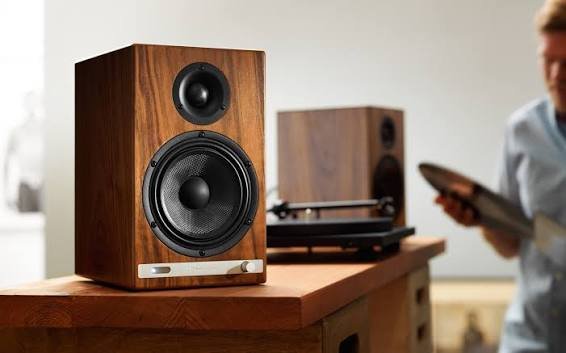
Speaker coverage is central to consistency. Uneven systems create hot spots where guests sit directly under a loud unit and weak areas where music almost disappears. More even distribution usually allows lower levels and smoother movement through the venue. The choice and position of commercial audio speakers should reflect ceiling height, interior design, table layout and acoustic conditions. Visual integration matters, but hiding equipment in poor positions can damage the experience it was meant to protect.
Control design deserves equal attention. Staff need a simple way to choose approved sources and adjust levels within sensible limits. If every venue uses different controls, training becomes harder and mistakes become common. Presets for lunch, dinner, late service and private events can create a reliable starting point. Local managers may still need some flexibility, but broad access to every technical setting invites accidental changes that are difficult to diagnose remotely.
Content management can also strengthen the brand. Playlists should suit trading periods, licensing arrangements and the audience at each location. Transitions between songs, advertisements or announcements need to feel deliberate. A central approach can reduce random choices, although local teams may provide useful feedback on regional preferences and special events. The aim is not to remove personality. It is to prevent the sound identity from depending entirely on who opens the venue that day.
Maintenance is where many standards weaken. The group needs a clear process for reporting a silent zone, distorted sound or faulty control. Site teams should know what they can check safely and when to call support. Periodic reviews can compare actual settings with the agreed standard, particularly after refurbishments or furniture changes. A small shift in table layout may alter how a room feels even when the equipment remains unchanged.
New sites can use a commissioning checklist before opening. The team can confirm source access, zone names, preset levels, staff instructions and listening quality from every seating area. Photos and approved settings create a useful reference for support. After several weeks of trade, a follow-up visit or structured feedback session can catch issues that only appear with full bookings, open doors or regular cleaning and service routines.
Group leaders can compare feedback across locations. Repeated comments may reveal standards needing revision. Future openings can then benefit from earlier sites.A consistent restaurant sound experience comes from coordinated decisions, not a single brand of commercial audio speakers.
