


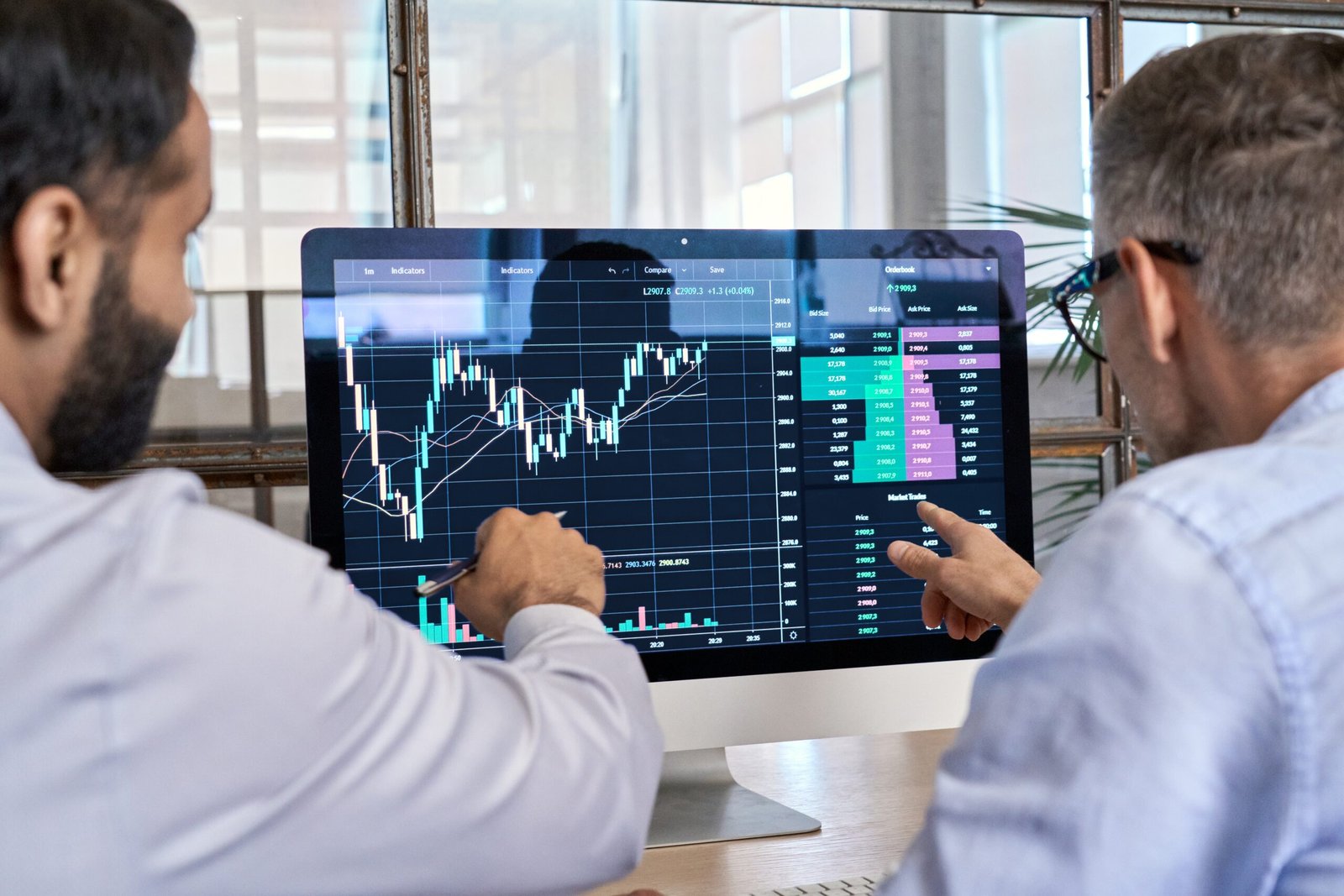
The word “futures” often sounds more complicated than it needs to.
Many people hear the term and immediately assume it is something designed exclusively for professional traders, financial institutions, or people with years of market experience. As a result, they sometimes avoid learning about it altogether.
The reality is that futures trading is built around a fairly straightforward idea.
At its core, it involves agreeing to buy or sell an asset at a predetermined price on a future date. While the mechanics can become more advanced, understanding this basic concept makes the subject far less intimidating.
For beginners, the challenge is usually not understanding what futures are. The challenge is understanding how they fit into the wider financial markets.
Where Futures Originally Came From
Long before futures became popular among traders, they were used as practical business tools.
Farmers, for example, often faced uncertainty about the prices they would receive for their crops. Buyers faced uncertainty about how much they might need to pay in the future.
Futures contracts helped solve this problem.
By agreeing on a price ahead of time, both sides gained greater certainty. The farmer knew what price they could expect, and the buyer knew what cost they would face.
Although today’s markets are much larger and more sophisticated, the underlying principle remains similar.
What Can Be Traded Through Futures?
One reason futures trading attracts attention is the variety of markets available.
Many people associate futures with commodities such as oil, gold, wheat, or coffee. While these remain popular, futures markets now cover far more than physical goods.
Traders can also access:
- Stock indices
- Interest rates
- Government bonds
- Energy products
- Agricultural commodities
- Precious metals
- Certain currency markets
This variety allows traders to focus on markets that align with their interests and market knowledge.
Why Traders Use Futures
Different traders use futures for different reasons.
Some participate because they want exposure to specific markets. Others use futures to hedge risk in existing investments. Businesses may use futures contracts to manage future costs, while traders may focus on price movements and market opportunities.
This flexibility is one reason futures trading remains an important part of global financial markets.
The same market can serve multiple purposes depending on who is participating.
How Futures Differ From Traditional Investing
One of the biggest differences between futures and traditional investing is the focus on contracts rather than ownership.
When someone buys shares in a company, they become a shareholder. When someone trades a futures contract, they are dealing with an agreement linked to an underlying asset rather than purchasing the asset directly.
This distinction can sometimes confuse beginners.
However, many traders focus less on the contract itself and more on the price movements it creates. Their goal is often to benefit from changes in market value rather than take ownership of the underlying asset.
The Role of Market Expectations
Futures markets are heavily influenced by expectations.
Traders constantly evaluate economic conditions, supply and demand, geopolitical developments, and market sentiment. Prices often move because participants are trying to anticipate future events rather than simply reacting to current conditions.
This forward-looking nature is part of what makes futures markets unique.
Prices are often influenced by what traders believe may happen next rather than what has already happened.
Learning the Market Takes Time
Like any financial market, futures trading involves a learning curve.
New traders sometimes expect to understand everything immediately, but experience usually develops gradually. Understanding contract specifications, market behaviour, and risk management takes time and practice.
Many traders begin by observing the market, studying price action, and learning how different factors influence futures prices before actively participating.
This gradual approach often creates a stronger foundation for long-term development.
A Market Built Around Future Expectations
At its heart, futures trading is about anticipating what may happen in the future and responding to changing market expectations.
While the terminology can initially sound technical, the underlying concept is surprisingly practical. Futures markets bring together participants with different goals, creating a dynamic environment where prices constantly reflect changing information and expectations.
For beginners, understanding this central idea often makes the entire subject feel much more approachable. Once the foundation is clear, futures trading becomes less about complicated terminology and more about understanding how markets react to the future.
