


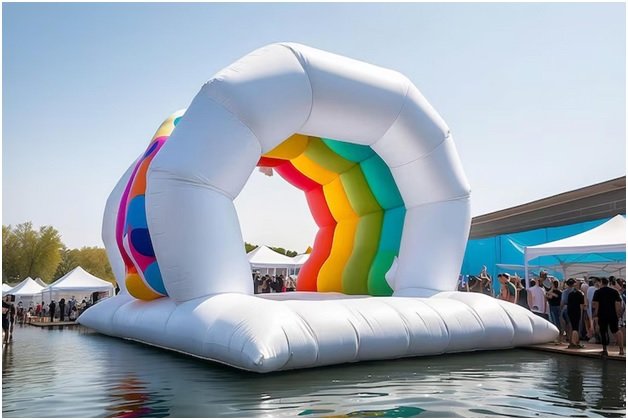
Outdoor advertising only succeeds when it holds up against real weather conditions. Inflatable advertising is built to attract attention, but its true value shows in wind, rain, heat, and cold. Here’s what businesses should know before choosing inflatables for outdoor promotion.
Introduction
Outdoor advertising operates in unpredictable environments, where wind, rain, sun exposure, and temperature changes can affect performance. Inflatable displays are a popular choice for outdoor campaigns because they are lightweight, quick to deploy, and highly visible. Many businesses opt for bespoke advertising inflatables so their displays are tailored to specific locations, branding requirements, and weather conditions. The reliability of these inflatables depends on design choices, material quality, anchoring systems, and ongoing maintenance. Understanding how these factors influence outdoor performance helps businesses maintain consistent visibility, reduce risk, and protect their investment over time.
Why Outdoor Conditions Can Make or Break Inflatable Advertising
Outdoor advertising faces more physical stress than indoor displays. Weather directly affects safety, longevity, and brand perception.
Key reasons weather performance is critical include:
- Continuous exposure to wind, rain, and UV rays
- Public safety and structural stability
- Maintaining shape, colour, and visibility
- Protecting internal components such as blowers
Inflatables that perform poorly in harsh conditions risk damage, downtime, and reputational harm. Well-designed solutions minimise these risks.
How Inflatable Advertising Handles Wind Conditions
Wind is the most significant factor affecting inflatable displays outdoors.
1. Engineering for Wind Stability
High-quality inflatable advertising is engineered with aerodynamic shapes that reduce drag. Rounded surfaces allow wind to flow around the structure rather than pushing directly against it.
2. Anchoring and Weighting Systems
Performance in wind relies heavily on proper anchoring. Common systems include:
- Ground stakes for soft surfaces
- Weighted ballast systems for hard ground
- Integrated anchor points stitched into stress zones
When correctly secured, inflatables can operate safely within specified wind limits provided by manufacturers.
3. Operational Guidelines
Inflatables are typically rated for safe use up to certain wind speeds. Monitoring conditions and deflating during extreme weather ensures longevity and safety.
Performance in Rain and Wet Conditions
Rain is common in outdoor environments, especially in the UK, making water resistance essential.
Waterproof Materials
Modern inflatable advertising uses coated polyester or PVC materials that repel water. Sealed seams prevent leakage and maintain internal air pressure during rainfall.
Drainage and Airflow Design
Well-designed inflatables allow moisture to run off naturally rather than pooling. Continuous airflow from blowers helps prevent condensation build-up inside the structure.
Electrical Protection
Outdoor-rated blowers are designed with weather-resistant casings and raised airflow inlets to reduce water ingress during wet conditions.
Inflatable Advertising in Hot and Sunny Weather
Heat and sunlight present different challenges for outdoor displays.
1. UV Resistance and Colour Retention
Prolonged sun exposure can fade colours over time. Quality inflatables use UV-stabilised inks and fabrics to maintain visual clarity and brand consistency.
2. Air Pressure Management
Hot air expands, which can increase internal pressure. Properly designed inflatables include flexible seams and pressure-tolerant materials that adapt to temperature changes without distortion.
3. Placement Considerations
Positioning inflatables away from reflective surfaces and ensuring adequate airflow helps reduce heat stress during peak temperatures.
Cold Weather and Inflatable Performance
Inflatable advertising can also perform well in colder environments when designed appropriately.
Material Flexibility
Low temperatures can make some fabrics brittle. Cold-resistant materials remain flexible, reducing the risk of cracking or seam stress.
Blower Efficiency
Continuous airflow prevents internal condensation from freezing. Outdoor-rated blowers are designed to operate reliably in lower temperatures without loss of performance.
Setup and Storage
Allowing inflatables to warm slightly before deployment and ensuring they are completely dry before storage helps preserve material integrity.
Key Design Features That Improve Weather Resistance
The durability of inflatable advertising depends on thoughtful design choices.
Important features include:
- Reinforced stitching at stress points
- Double-stitched or heat-welded seams
- Heavy-duty base construction
- Weather-rated electrical components
Midway through any outdoor campaign, businesses often find that bespoke advertising inflatables outperform generic options because they are tailored to specific environments, locations, and usage durations.
Setup and Maintenance: The Hidden Weather Factors
Even the best inflatable design can fail if setup and maintenance are neglected.
Correct Installation
Always follow manufacturer guidelines for anchoring, inflation, and spacing. Improper installation increases vulnerability to weather stress.
Regular Inspections
Routine checks should focus on:
- Anchor tension and stability
- Seam integrity
- Blower airflow and power supply
- Surface cleanliness
Cleaning and Drying
Removing dirt and moisture after use prevents material degradation and mould growth, especially in damp climates.
Actionable Tips for Using Inflatable Advertising Outdoors
To maximise performance across weather conditions, consider the following tips:
- Check weather forecasts before deployment and plan deflation thresholds.
- Use only outdoor-rated blowers and power sources.
- Match anchoring systems to ground conditions.
- Rotate display positions to reduce prolonged UV exposure.
- Store inflatables dry, clean, and loosely folded.
These practices significantly extend lifespan and maintain visual impact.
Conclusion
Inflatable advertising is uniquely suited to outdoor environments when designed and managed with weather performance in mind. Wind stability, water resistance, UV protection, and temperature adaptability all play a role in ensuring reliable operation. Materials, engineering, anchoring, and maintenance together determine whether an inflatable thrives or struggles outdoors. By understanding these factors and applying best practices, businesses can confidently deploy inflatables across changing conditions without compromising safety or visibility. Investing in bespoke advertising inflatables allows organisations to tailor designs for specific environments, ensuring consistent performance and long-term value. When weather resilience is treated as a core design consideration rather than an afterthought, inflatable advertising becomes a dependable, high-impact solution for outdoor marketing campaigns year-round.
